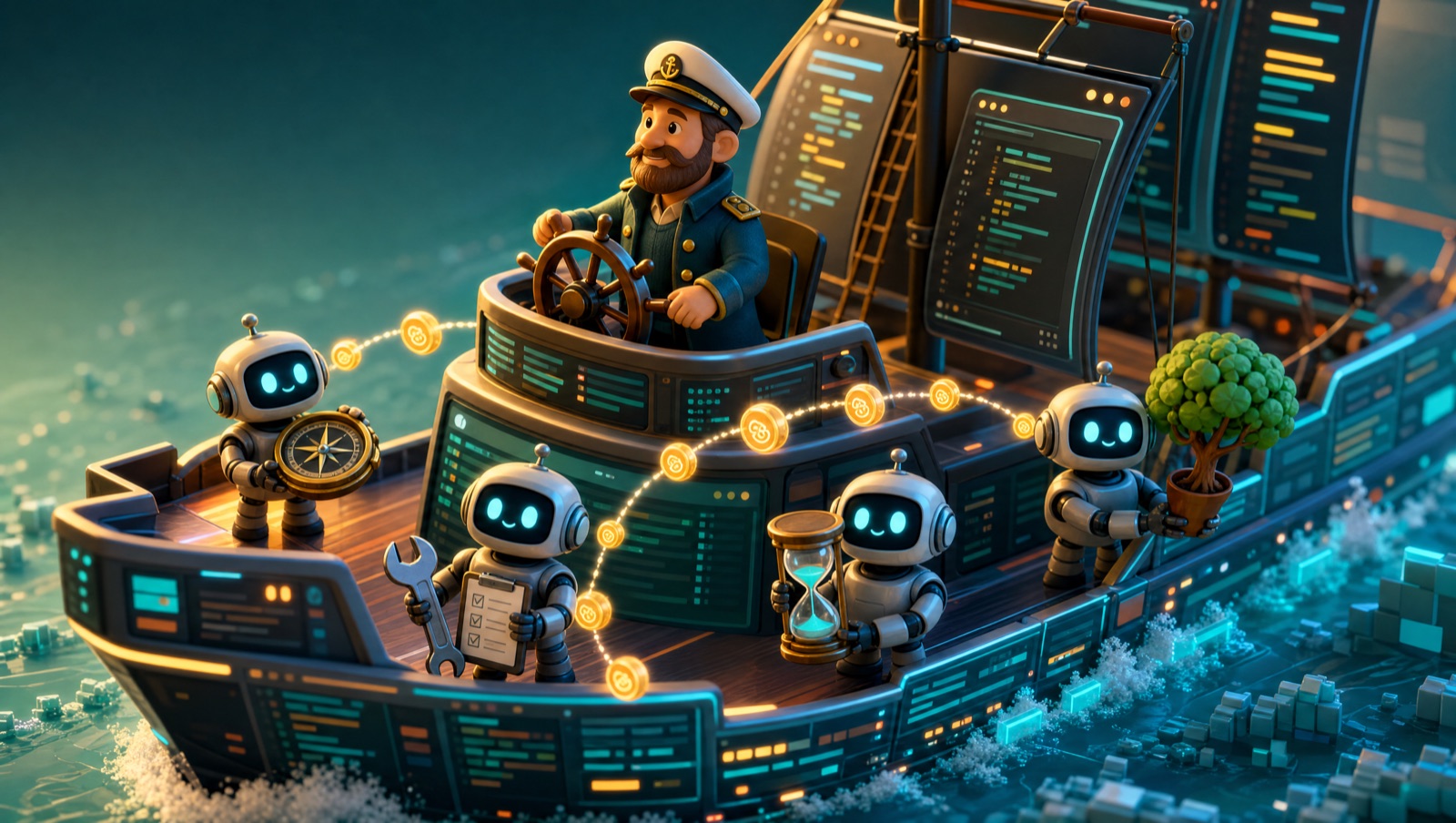
ช่วงที่ผ่านมามีคนหลายคนบ่นว่า Claude มันติด limit คือจริง ๆ แล้วเรามันก็มีหลาย option ที่เราสามารถเลือก model ได้ ไม่ต้องยึดกับตัวใดตัวหนึ่ง
เช่น ตัว Pi เองมันก็เป็น open gateway ที่เราเลือก provider/model ได้หลากหลาย ทั้ง Anthropic, OpenAI, Gemini
ส่วนตัวผมใช้ Pi เป็นหลักครับ ซึ่ง Pi จริง ๆ มันเป็น coding harness มันคือโครงหรือเฟรมที่รันใน terminal ให้เรา extend ด้วย Extensions, Skills, Prompt Templates ได้ตาม workflow ที่เราต้องการ แทนที่เราจะต้อง adapt ตัวเราเข้าไปหามัน
แล้วก็มีตัว thClaws ที่เพิ่งออกใหม่ เขียนด้วย Rust ทั้งตัว, open source, multi-provider เลือก model ได้หลายค่าย
หรือจะใช้ OpenCode (open-source coding agent) ก็เลือก model ได้เหมือนกัน
ซึ่งพวกนี้จริง ๆ มันก็ทำให้เราไม่ต้องยึดติดกับ model เดิมที่อาจมีราคา token สูงเกินไป เพราะในทุก ๆ ช่วงมันก็จะมีตัวที่เพิ่งออกมาใหม่แล้วก็มีราคา token ที่ค่อนข้างถูก แล้วเราก็ switch ไปใช้ตัวนั้นได้ อย่างช่วงนี้ codex ก็ลดแลกแจกแถมจัด ๆ ตามมาด้วย DeepSeek ที่ถูกแทบจะแจกฟรี เอาจริง ๆ มันยังมี model ฟรีอีกเยอะมาก แค่ประสิทธิภาพมันก็ลดหลั่นตามลงมา
สิ่งสำคัญที่หลายคนมองข้ามเลย ก็คือการที่เราสามารถแตก task ได้ เราจะรู้เลยว่าถ้าเรามองจาก top-down ลงมาแล้วเราแตก process การทำงานออกมา
ช่วงการวางแผนเราต้องใช้วิธีคิดหรือ domain expertise ของเราในการวาง structure ว่า task ที่จะทำมันมีอะไรบ้าง โดยรวมเราอาจจะใช้ model ที่มันฉลาดมากกว่า (เช่น Claude) แต่เวลาที่เราแตก task ลงมาละเอียดแล้ว บาง task ที่เป็นลักษณะ orchestrate เป็นหลัก เราอาจจะเลือก model ที่ถูกลงมาได้ (เช่น DeepSeek)
เพราะฉะนั้นการวางแผนมันเลยสำคัญในการประหยัด token ไปได้เยอะมาก
ยาวไปไม่อ่าน สรุปก็คือ:
- วางแผนให้ดี — ช่วงวางแผนเราใช้ความรู้ของเราบวกกับ model ที่ฉลาด มาช่วยกันวางแผนให้รัดกุมที่สุด
- แตก task นั้นออกมาให้ละเอียด แล้วดูว่าแต่ละ task เหมาะกับ model ระดับไหน
- เลือกได้ว่าแต่ละ task จะให้ model ไหน run — โดยการใช้ tools ที่เป็น open gateway ช่วยให้เราเลือก model ได้อิสระมากขึ้น ไม่ว่าจะเป็น open-source model หรือตัวที่เพิ่งออกใหม่
Lately I’ve seen a lot of people complaining that Claude keeps hitting rate limits. The thing is, we actually have plenty of options for which model to use — there’s no need to be tied to any single one.
Take Pi, for example. It’s an open gateway that lets you choose across a wide range of providers and models — Anthropic, OpenAI, Gemini.
Personally, Pi is what I use most. Pi is really a coding harness: it’s the scaffold, the frame that runs in your terminal and lets you extend it with Extensions, Skills, and Prompt Templates to fit whatever workflow you want — instead of you having to adapt yourself to fit the tool.
Then there’s thClaws, which just came out. It’s written entirely in Rust, it’s open source, and it’s multi-provider, so you can pick models across different vendors.
Or you can use OpenCode (an open-source coding agent), which lets you choose your model too.
What all of these really do is free us from being locked into the same old model whose token price may simply be too high. In every period there’s always something newly released with a fairly cheap token price, and you can just switch over to it. Right now codex is throwing out big discounts, followed by DeepSeek, which is nearly free. Honestly, there are still a ton of free models out there — the performance just steps down accordingly.
The thing many people overlook is that we can break tasks down. Once you look at it top-down and decompose your work process, it becomes clear.
During planning, you have to use your own thinking and domain expertise to lay out the structure — what the tasks actually are. Overall, you might use a smarter model for this (like Claude). But once you’ve broken the work into fine-grained tasks, some of them are mostly orchestration, and for those you can pick a cheaper model (like DeepSeek).
That’s why planning matters so much — it saves you a huge amount of tokens.
TL;DR:
- Plan well — during planning, combine your own knowledge with a smart model to make the plan as tight as possible.
- Break the task down into fine detail, then figure out what tier of model each piece needs.
- Choose which model runs each task — using open-gateway tools gives you far more freedom to pick your model, whether it’s an open-source one or something brand new.