เอาจริงๆ ผมคันมานานมากกับคำว่า second brain พยายามจะใช้มันหลายรอบมากแต่ก็ไม่อินสักที สร้างไปได้แป๊บนึงก็ทิ้ง แล้วก็กลับมาเริ่มใหม่วนไป จนช่วงหลังเริ่มเข้าใจว่าทำไมมันถึงยาก เลยอยากมาเล่าแบบตรงๆ ว่ามันคืออะไร จุดอ่อนคืออะไร แล้วจะสร้างให้มันเวิร์กยังไงในยุคที่มี AI ครับ
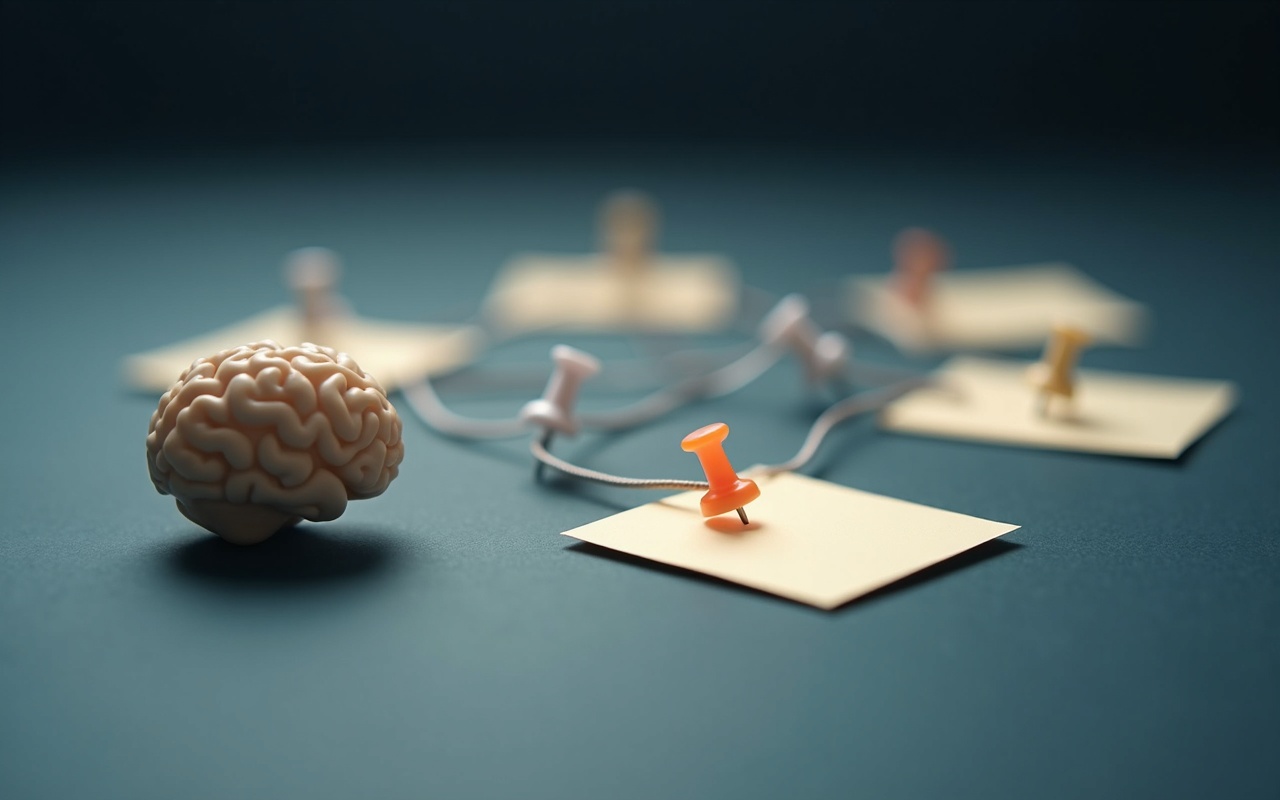
Second brain คืออะไร — พูดง่ายๆ มันคือระบบเก็บความรู้ภายนอกสมองเรา ที่ไม่ได้เก็บไว้เฉยๆ แต่จัดให้มันเชื่อมโยงกัน เพื่อให้วันหลังเราดึงกลับมาใช้ ต่อยอด แล้วก็คิดอะไรใหม่ๆ ต่อได้ ไม่ใช่แค่โฟลเดอร์ที่ยัดไฟล์ไว้ แต่เป็นเครือข่ายความคิดของเราเอง
ประโยชน์ — ข้อดีคือเราไม่ต้องแบกทุกอย่างไว้ในหัว สมองเราเก่งเรื่องคิดต่อ แต่ห่วยเรื่องเก็บของระยะยาว พอเราย้ายภาระการจำออกไปไว้ข้างนอก สมองก็มีที่ว่างไว้คิดงานจริงๆ แล้วพอความรู้มันเชื่อมกัน ไอเดียใหม่ๆ มักโผล่มาตอนที่โน้ตเก่าสองอันมันมาเจอกันโดยบังเอิญนี่แหละ
จุดอ่อน — แต่จุดที่คนพัง (รวมถึงผมเอง) คือไปหมกมุนกับการ “เก็บ” มากเกินไป จนกลายเป็นที่ทิ้งขยะดิจิทัล save ทุกอย่างแต่ไม่เคยกลับมาอ่าน อีกอันคือไปเสียเวลากับการจัดระบบให้เพอร์เฟกต์ เปลี่ยนแอป เปลี่ยน template ไปเรื่อยจนไม่ได้ลงมือใช้จริง second brain ที่ไม่เคยถูกดึงกลับมาใช้ ก็คือสมองที่ตายแล้วนั่นแหละ
สร้างยังไง — ส่วนตัวผมว่าให้เริ่มจากเล็กๆ เก็บเฉพาะอันที่เรารู้สึกว่าอยากเอากลับมาใช้จริง แล้วบังคับตัวเองให้สรุปด้วยภาษาตัวเองสั้นๆ ทุกครั้ง อย่าแค่ก็อปมาแปะ จากนั้นโฟกัสที่การ link โน้ตเข้าหากันมากกว่าการจัดโฟลเดอร์ เพราะคุณค่าของมันอยู่ที่การเชื่อมโยง ไม่ใช่จำนวน
แล้วยุค AI ล่ะ — นี่คือส่วนที่สนุก พอเรามีโน้ตที่เป็นภาษาตัวเองและเชื่อมกันดีอยู่แล้ว AI มันต่อยอดได้ทันที เราให้มันช่วยสรุป ช่วยหาความเชื่อมโยงที่เรามองไม่เห็น หรือคุยกับ second brain ของเราเองได้เลย แต่ข้อสำคัญคือ AI จะเก่งได้แค่ไหน ขึ้นกับ “วัตถุดิบ” ที่เราป้อนเข้าไป ถ้า second brain เรามั่ว AI ก็ตอบมั่วตาม มันไม่ได้มาแทนการคิดของเรา แต่มาขยายมันให้แรงขึ้น
ยาวไปไม่อ่าน สรุปก็คือ:
- second brain คือระบบความรู้ภายนอกที่เชื่อมโยงกัน ไม่ใช่ที่กองไฟล์
- ประโยชน์คือปลดภาระการจำออกจากหัว แล้วให้ไอเดียใหม่งอกจากการที่โน้ตมาเจอกัน
- จุดอ่อนคือเก็บมากแต่ไม่เคยใช้ และเสียเวลาจัดระบบให้เพอร์เฟกต์
- สร้างโดยเริ่มเล็กๆ สรุปด้วยภาษาตัวเอง แล้วเน้น link มากกว่า folder
- ยุค AI ทำให้ second brain ทรงพลังขึ้นมาก แต่ AI ดีได้แค่ไหน ขึ้นกับวัตถุดิบที่เราใส่เข้าไป
Honestly, I’ve been itching to get into the “second brain” idea for years. I tried to use it many times and it never clicked — I’d build one, abandon it, then start over, again and again. Lately I’ve finally started to understand why it’s so hard, so I want to lay it out straight: what it actually is, where its weak spots are, and how to build one that works in the age of AI.
What a second brain is — Simply put, it’s a knowledge system that lives outside your head — not just storage, but notes arranged so they connect to each other, so that later you can pull them back, build on them, and think new things. It’s not a folder where you dump files; it’s a network of your own thinking.
The benefits — The big one is that you don’t have to carry everything in your head. Your brain is great at thinking forward but terrible at long-term storage. Move the burden of remembering outside, and your brain gets room to do the actual thinking. And once your knowledge is connected, new ideas tend to show up exactly when two old notes bump into each other.
The weak spots — Where people fail — me included — is obsessing over “capturing” so much that it turns into a digital junk drawer: you save everything and never come back to read it. The other trap is chasing the perfect setup — switching apps, switching templates forever — without ever using the thing. A second brain you never pull from is just a dead brain.
How to build one — My take: start small. Only capture what you genuinely feel you’ll want to reuse, and force yourself to summarize it in your own words every time — don’t just copy-paste. Then focus on linking notes to each other rather than organizing folders, because the value lives in the connections, not the count.
And in the AI era? — This is the fun part. Once you have notes that are in your own words and well linked, AI can build on them immediately. You can have it summarize, surface connections you couldn’t see, or even talk to your own second brain. But the key is that AI is only as good as the raw material you feed it. A messy second brain gives you messy answers. AI doesn’t replace your thinking — it amplifies it.
Too long, didn’t read? Here’s the gist:
- A second brain is a connected external knowledge system, not a pile of files.
- The benefit is offloading memory from your head so new ideas grow where notes meet.
- The weak spots are capturing a lot but never using it, and over-tuning the setup.
- Build it by starting small, summarizing in your own words, and favoring links over folders.
- The AI era makes a second brain far more powerful — but AI is only as good as the material you put in.