ทุกวันนี้เราอ่านบนจอเยอะมากครับ ทั้งบทความ ทั้ง ebook ทั้ง PDF งานวิจัย แต่เอาจริงๆ คนส่วนใหญ่อ่านจบแล้วก็จบเลย จำได้ไม่กี่วันก็ลืม ผมเลยอยากชวนคุยเรื่อง “Digital Reading” หรือการอ่านเรียนรู้แบบดิจิตอล ว่าจะทำยังไงให้สิ่งที่อ่านมันอยู่กับเราจริงๆ
หัวใจของมันสำหรับผมไม่ใช่แค่ “อ่านให้จบ” แต่คือการอ่านแบบมีร่องรอย คือระหว่างอ่านเรา highlight ประโยคสำคัญ เขียน note สั้นๆ ด้วยคำของตัวเอง ตั้งคำถามกับสิ่งที่อ่าน พอทำแบบนี้ การอ่านมันเปลี่ยนจาก passive เป็น active ทันที สมองได้คิดตาม ไม่ใช่แค่กวาดสายตาผ่าน
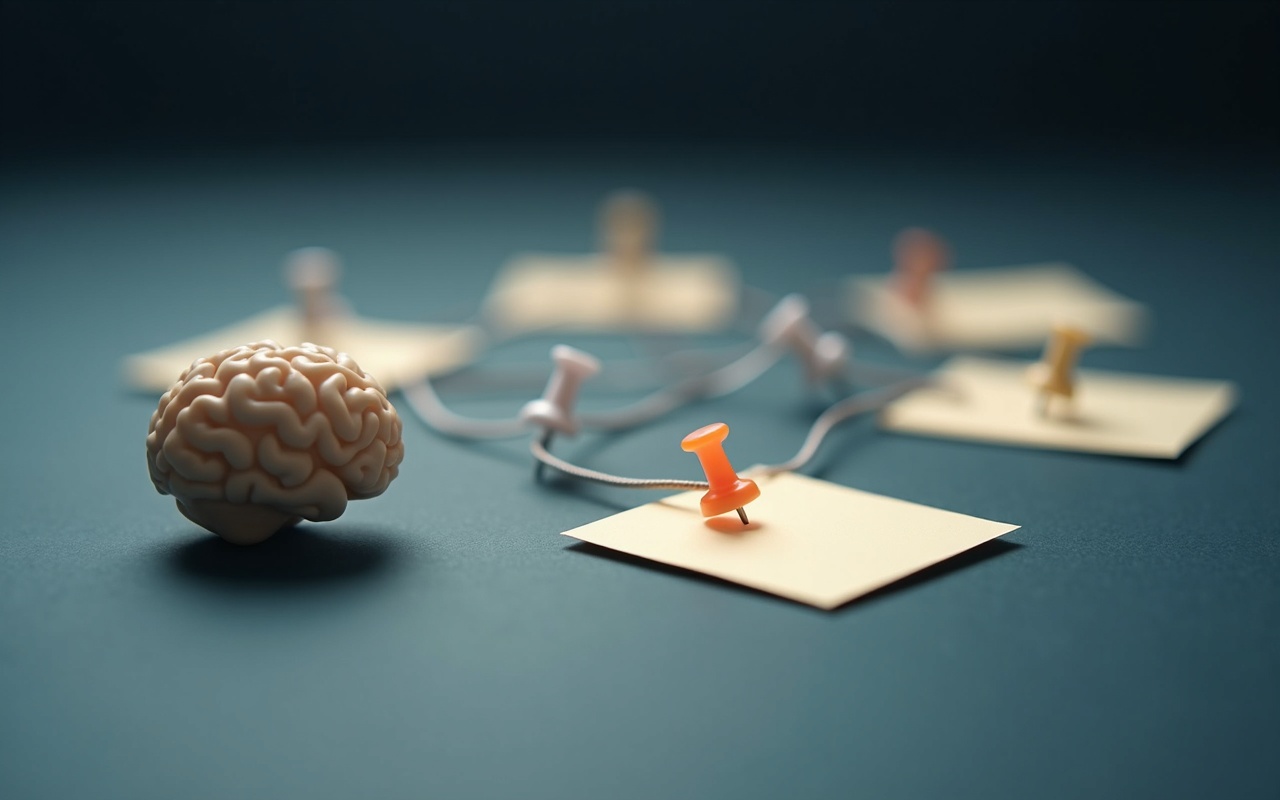
ทีนี้ข้อดีของดิจิตอลคือ highlight กับ note พวกนี้มันไม่ได้ติดอยู่ในหนังสือเล่มเดียว เราดึงมันออกมารวมไว้ที่เดียวได้ มีหลายประเภทของ tools ที่ช่วยตรงนี้ครับ — พวก read-later ที่เก็บบทความไว้อ่านทีหลังและ highlight ได้, แอป ebook/PDF ที่ export highlight ออกมาเป็นไฟล์ได้, แล้วก็ note app ที่เป็นบ้านหลังสุดท้ายให้เราเอาทุกอย่างมารวมแล้วเชื่อมโยงกัน เป็นเหมือน second brain ของเรา
ส่วนตัวผม flow มันง่ายๆ คือ อ่าน → highlight + จดด้วยคำตัวเอง → ดึงทุกอย่างเข้า note app → กลับมาทบทวนเป็นระยะ จุดที่คนมักพลาดคือเก็บ highlight ไว้เฉยๆ แล้วไม่เคยกลับไปอ่านอีกเลย ซึ่งมันก็เท่ากับไม่ได้อ่าน เพราะฉะนั้นขั้นทบทวนกับเชื่อมโยงนี่แหละครับคือขั้นที่ทำให้ของมันเข้าหัวจริง
ยาวไปไม่อ่าน สรุปก็คือ:
- Digital reading ที่ดีคืออ่านแบบมีร่องรอย — highlight + จด ด้วยคำตัวเอง
- ข้อได้เปรียบของดิจิตอลคือดึง highlight/note มารวมที่เดียวได้
- tools แบ่งคร่าวๆ เป็น read-later, แอปอ่าน ebook/PDF ที่ export ได้ และ note app เป็นบ้านหลังสุดท้าย
- อย่าลืมขั้นทบทวนและเชื่อมโยง ไม่งั้น highlight ที่เก็บไว้ก็สูญเปล่า
These days we read so much on screens — articles, ebooks, research PDFs. But honestly, most people finish reading and that’s it; a few days later it’s gone. So I want to talk about “Digital Reading” — reading and learning digitally in a way that actually makes what you read stick.
For me the heart of it isn’t just “finishing the text.” It’s reading with a trail behind you: highlighting the key sentences as you go, jotting short notes in your own words, asking questions of what you read. Do that and reading flips from passive to active — your brain is actually thinking along, not just sweeping over the page.
The advantage of going digital is that those highlights and notes don’t stay trapped inside one book. You can pull them all out into one place. There are a few kinds of tools that help here: read-later apps that save articles to read and highlight later, ebook/PDF apps that can export your highlights as a file, and a note app that acts as the final home where everything comes together and gets connected — your second brain, basically.
My own flow is simple: read → highlight and note in my own words → pull everything into my note app → come back and review periodically. Where people usually slip is parking their highlights and never looking at them again, which is the same as not having read at all. So the review-and-connect step is really the one that gets the knowledge into your head for good.
TL;DR:
- Good digital reading means reading with a trail — highlight and note in your own words.
- The digital advantage is pulling all your highlights and notes into one place.
- Tools roughly split into read-later apps, exportable ebook/PDF readers, and a note app as the final home.
- Don’t skip the review-and-connect step, or your saved highlights go to waste.